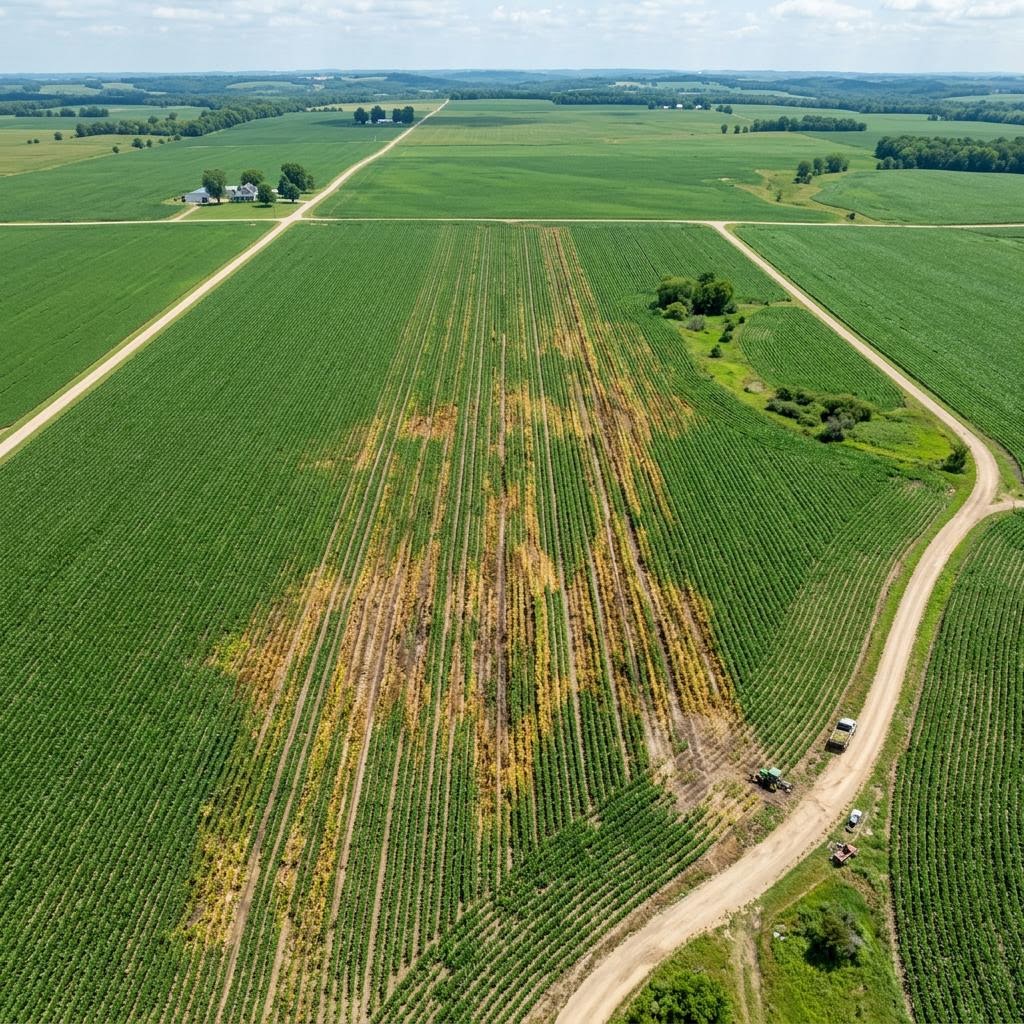
Aerial view of crop disease

The Scale of the Problem

Agriculture today faces an unprecedented challenge. While input costs for fertilizer, water, and pesticides continue to rise, volatile climate conditions are accelerating the spread of crop pathogens.


Globally, 20-40% of potential crop yield is lost to pests and diseases annually. Despite advancements in seed genetics and machinery, the actual management of plant health relies heavily on visual confirmation. The fundamental flaw in this approach is biological: by the time the human eye can see symptoms of disease, the plant has already sustained irreversible cellular damage.
The 5 Core Problems in Crop Health Management

1. Late Detection

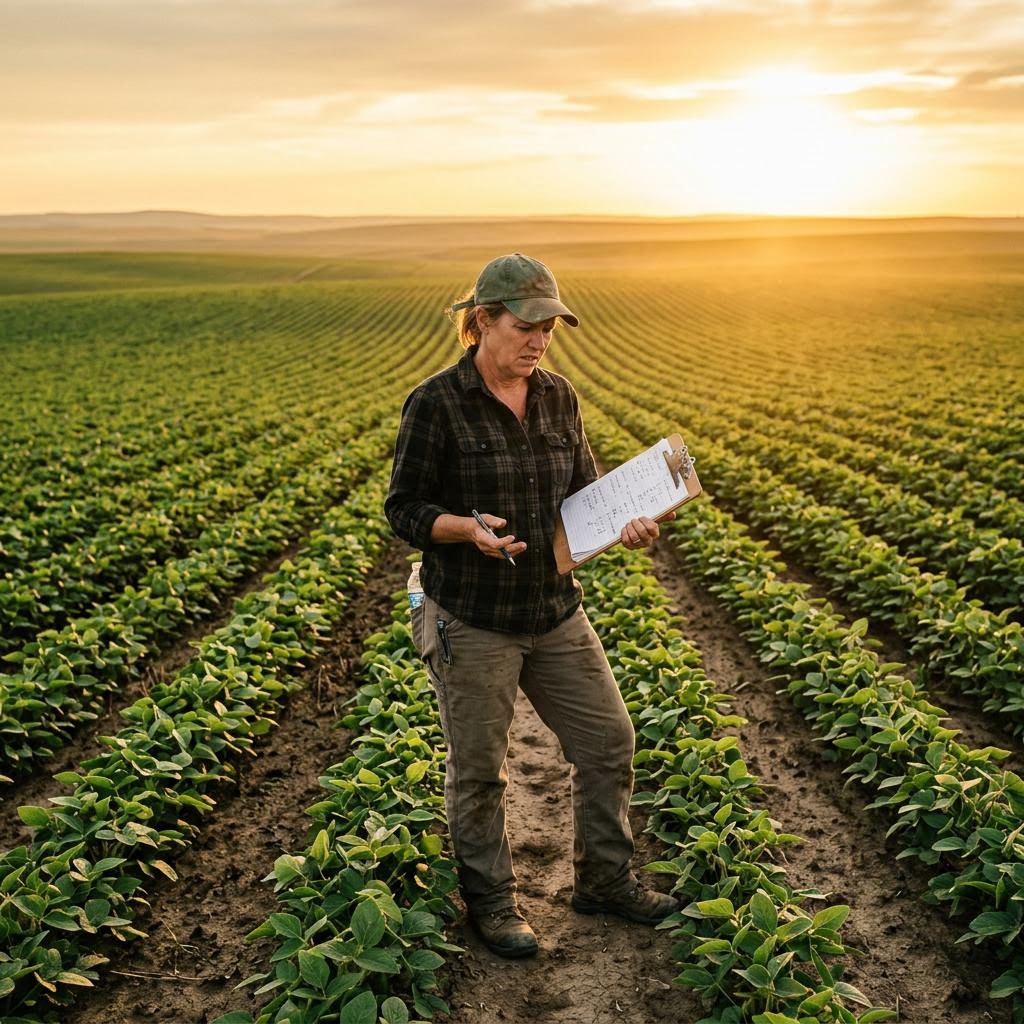
Manual scouting is slow, labor-intensive, and fundamentally incomplete. Human scouts physically walk through fields, typically covering less than 2% of the total acreage. By the time symptoms like chlorosis (yellowing) or necrosis (browning) become visible to these scouts, 10-20% of the surrounding field is often already infected silently.

2. Inconsistent Assessment

Diagnosis today relies heavily on human judgment. Scout fatigue, varying light conditions, weather limitations, and differing levels of agronomic training create dangerous variability. What one scout identifies as nutrient deficiency, another might flag as a fungal infection, leading to delayed or incorrect interventions.

3. Blanket Treatment

Because farmers lack precise spatial data indicating exactly where a disease is located, they are forced to apply chemical treatments uniformly across the entire field. This "blanket application" results in 30-50% chemical waste, accelerating pathogen resistance, increasing environmental runoff, and severely hurting farm profit margins.

4. Reactive Decision-Making

Without a continuous, quantified signal monitoring plant stress, farm managers are managing through the rearview mirror. Yield loss is often only quantified at the end of the season during harvest, far too late to change the outcome. Financial planning and logistics suffer from inaccurate forecasting.

5. Fragmented Data

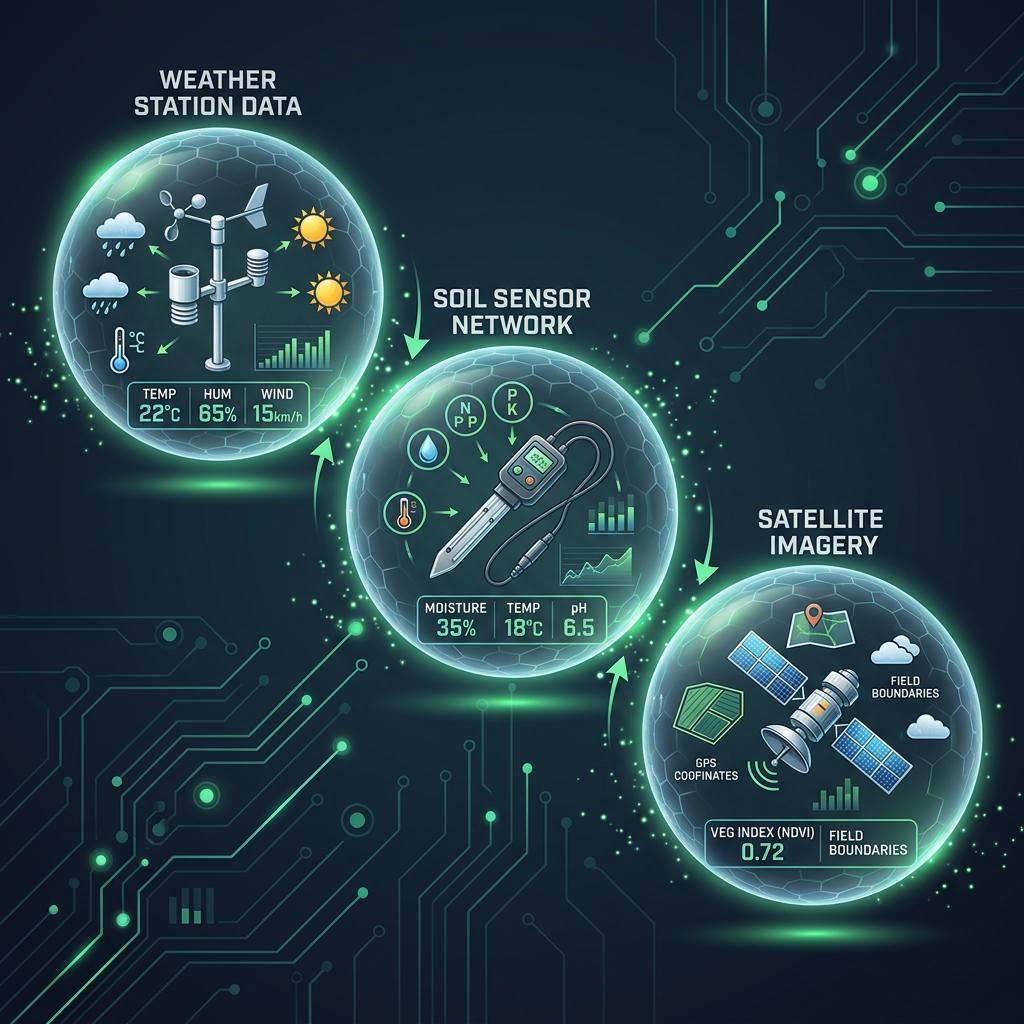
Farms are generating more data than ever, but it lives in silos. The weather station app doesn't talk to the soil moisture sensors, which don't talk to the low-resolution satellite imagery. Farmers are left to manually synthesize this data in their heads to make complex agronomic decisions.

Farmer scouting field

Quantified Impact

The cost of the status quo is measurable across every aspect of farm operations.

Metric Status Quo TerraMind AI Impact
Yield Loss Discovered reactively at harvest; average 20-40% global loss 20-40% loss prevented through early intervention
Chemical Usage Blanket application across entire fields regardless of need 30-50% over-application avoided via targeted maps
Water Waste Uniform irrigation ignoring micro-zone stress levels 15-25% water saved via precision scheduling
Forecast Error ±20-30% off target due to unaccounted mid-season stress ±10% precision modeling for supply chain reliability
Labor Efficiency Scouts walk blindly hoping to find symptomatic patches Scouts routed directly to high-probability GPS coordinates
Fragmented data silos visualization

Ready to change the equation?

See how our AI platform closes the loop from detection to action.

See the Solution →